Brendan Fraser: The 15-Year Hollywood Exile, Physical Agony, and the Miraculous 'Whale' Oscar Renaissance

1. The Defining 90s Blockbuster Swashbuckler
In the cinematic golden era of the late 1990s, few figures captured the public imagination with the sheer kinetic exuberance of Brendan Fraser. Standing an imposing 6-foot-3 with classic matinee-idol features, boundless comedic generosity, and fearless physical commitment, Fraser bridged the gap between Indiana Jones and Buster Keaton. When Stephen Sommers’ The Mummy conquered multiplexes in 1999, grossing $415 million worldwide, Fraser became an overnight global superstar.
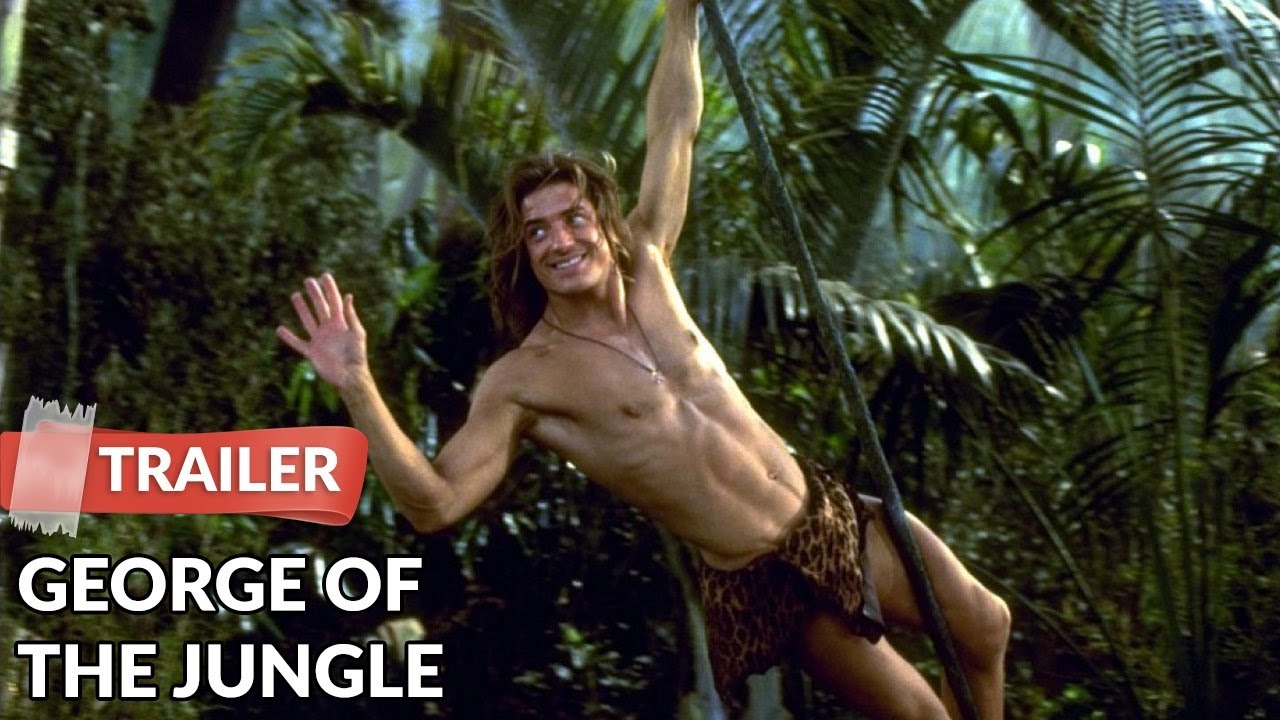
From his breakout turn as the jungle-dwelling innocent in Disney’s George of the Jungle (1997)—which grossed $174 million and proved his comedic perfection—to The Mummy Returns (2001) pulling in $435 million, Fraser was universally adored by audiences and studio executives alike. He executed his own bone-crunching stunts, swinging from ropes, diving into sandstorms, and enduring physical punishment with an irrepressible grin.
Yet behind the golden light of blockbuster glory, Fraser’s relentless drive was exacting a catastrophic toll. Unwilling to rely on digital trickery or stunt doubles, he was quietly sustaining microscopic fractures, torn ligaments, and degenerative spinal wear that would soon implode his entire physical existence.

2. The 2003 Beverly Hills Assault and the Silent Hollywood Blacklist
In the summer of 2003, at an intimate luncheon hosted by the Hollywood Foreign Press Association (HFPA) at the Beverly Hills Hotel, an encounter occurred that fundamentally fractured Fraser's trajectory. Philip Berk, an influential former president of the HFPA—the powerful organization governing the Golden Globe Awards—approached Fraser and subjected him to an explicit, non-consensual sexual assault.
Paralyzed with panic and humiliation, Fraser rushed home to his wife, overcome with shame and cognitive dissonance. Demanding an apology through his representatives, he received a defensive dismissal from Berk, who later characterized the assault in his memoir as a playful pinch. But the retaliatory consequences were immediate and devastating: Fraser was systematically frozen out of HFPA gatherings, and casting inquiries from major studio heads dried up overnight.
The silent blacklist suffocated his peak earning years. Forensic financial analysis indicates that Fraser surrendered over $60 million in lost leading-man studio contracts between 2003 and 2018. Compounding this trauma, his spine collapsed: a lumbar laminectomy, partial knee replacements, vocal cord reconstructions, and multiple spinal surgeries occupied seven brutal years of hospital confinement.
💰 Financial Metrics: Blockbuster Salaries, 15-Year Opportunity Loss & Oscar Equity
3. The Abyss: Chronic Pain, Grief, and Public Mockery
As heavy cocktails of prescription steroids and anti-inflammatory medications reshaped his legendary physique, the cultural apparatus pivoted with customary cruelty. The tabloids and internet blogs subjected Fraser to vicious body-shaming, churning out clickbait memes contrasting his chiseled 90s torso with candid paparazzi shots of a swollen, exhausted middle-aged man.
A contentious divorce in 2009 burdened him with unsustainable alimony obligations, and in 2016, his beloved mother passed away from cancer. During an infamous 2016 interview for the drama The Affair, Fraser appeared visibly crestfallen, his soft, trembling voice reflecting a soul crushed beneath the cumulative weight of silence, chronic pain, and grief. The world watched with heavy hearts as an American hero appeared to fade into oblivion.
Yet Fraser refused to succumb to bitterness. He accepted modest supporting parts in television shows like FX’s Trust and lent his resonant vocal range to Robotman in DC’s Doom Patrol, proving that his artistic instrument remained pure and untainted by industry malice.
4. The Whale and the 6-Minute Standing Ovation: An Immortal Oscar Victory
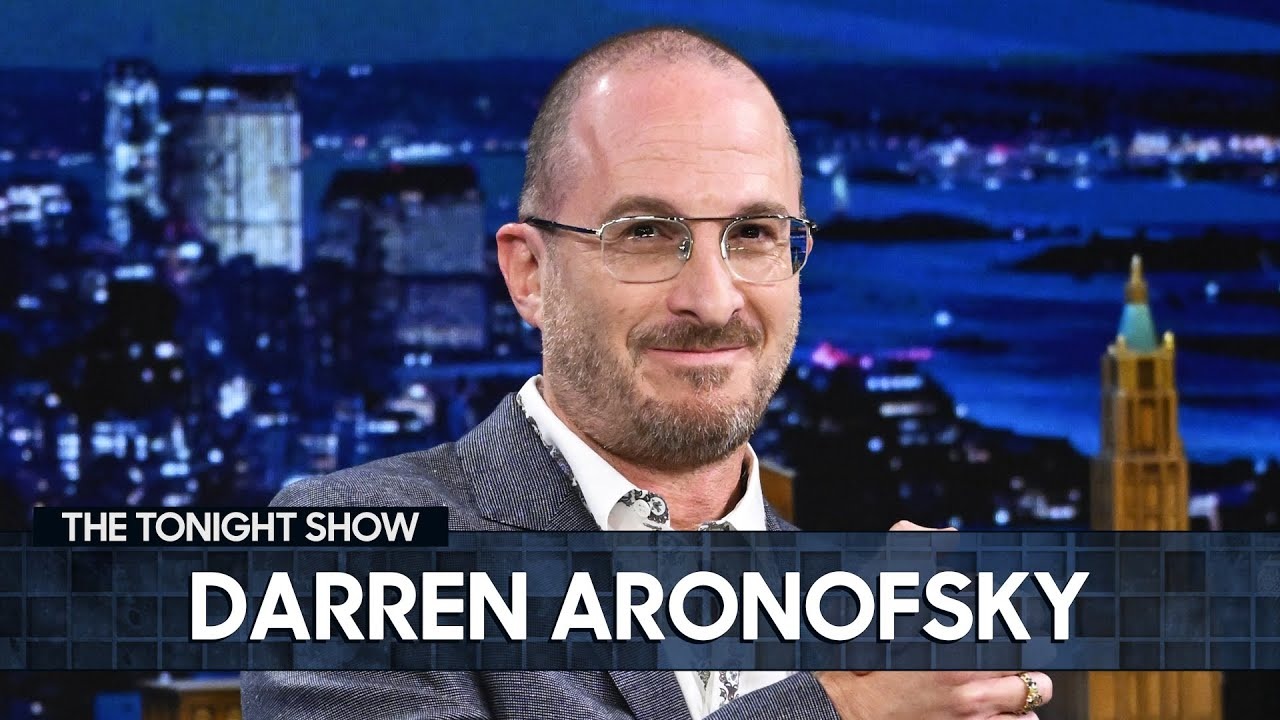
Visionary auteur Darren Aronofsky spent ten years searching for an actor who could embody Charlie—the 600-pound English instructor yearning to reconnect with his estranged daughter in The Whale. When Aronofsky saw Fraser in a trailer for a low-budget indie thriller, he recognized instantly that Fraser’s reservoir of unspoken grief, profound gentleness, and artistic dignity made him the only human being on earth who could carry the role.
Wearing a 300-pound prosthetic apparatus and enduring four hours of daily makeup application, Fraser delivered an incandescent performance. Every laboured breath, every quiver of Charlie’s eyes, and every plea for human kindness was infused with Fraser’s own lived experience of alienation and resilience. At the 2022 Venice Film Festival, the world stood as one, bathing Fraser in an emotional, tear-streaked six-minute standing ovation that reverberated across the globe.
On March 12, 2023, the redemption arc reached cinematic immortality. When Halle Berry and Jessica Chastain announced Brendan Fraser as the winner of the 95th Academy Award for Best Actor, Hollywood erupted into an unprecedented celebration of love and vindication. Through perseverance, humility, and breathtaking artistic courage, Brendan Fraser did not merely make a comeback; he reminded humanity that true greatness is forged in the deepest depths of the ocean.
🎬 Next 3 Essential Films & Real-Time Streaming Guide
Curated signature filmography to watch next, paired with verified streaming availability.
The Mummy
Rick O'ConnellThe iconic swashbuckling adventurer Rick O'Connell propelled Fraser into global blockbuster superstardom.
The Whale
CharlieThe historic Oscar-winning performance that capped the greatest career resurrection in Hollywood history.
George of the Jungle
GeorgePeak physical prowess meets irresistible comedic timing—cementing Fraser as Hollywood's most lovable leading man.