Winona Ryder: The Rise, Fall, and Glorious Resurrection of a 90s Icon — From 'Edward Scissorhands' to 'Stranger Things'
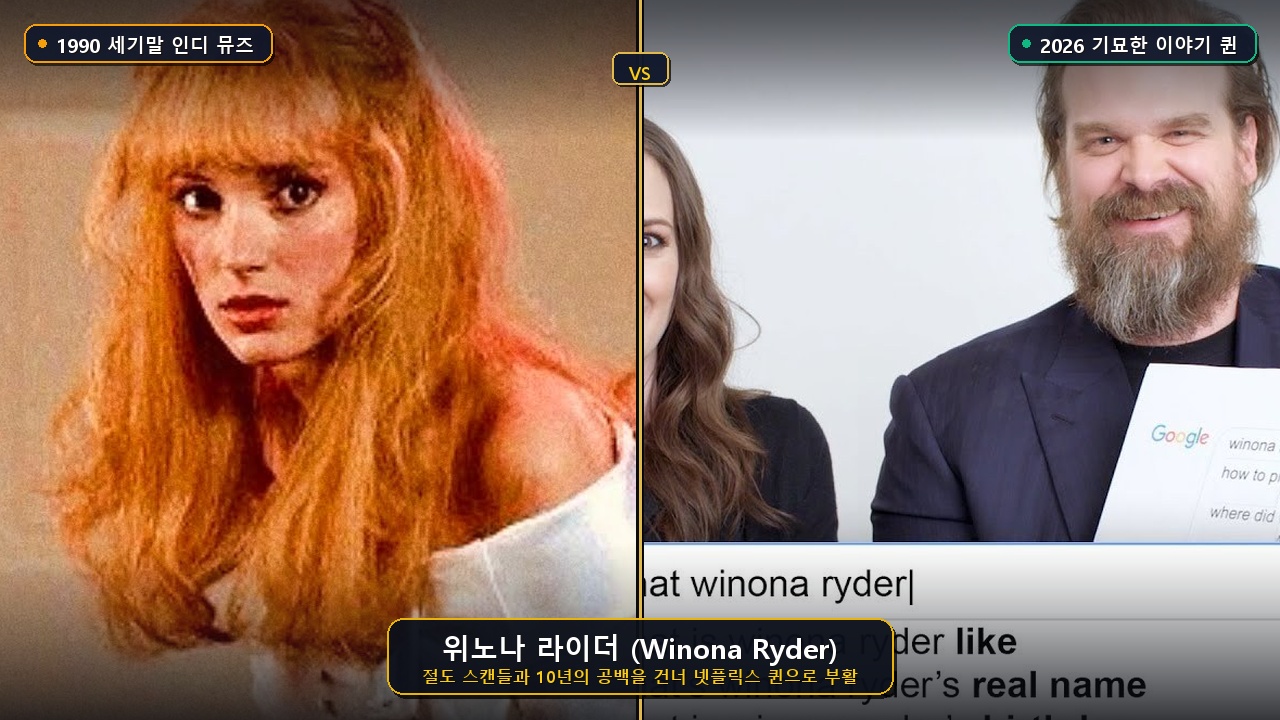
1. The Beating Heart of Gen X: A Muse Beyond Replication
Between the late 1980s and the end of the 1990s, the name Winona Ryder was not merely that of a successful movie star; it was the psychological compass of an entire generation. With her porcelain complexion, razor-sharp cheekbones, and vast, inquisitive dark eyes, Ryder captured the alienated romanticism of Generation X like no contemporary could. From her breakout turn as the morbid, poetry-reading goth Lydia Deetz in Tim Burton's Beetlejuice (1988) to her indelible portrayal of Kim Boggs in Edward Scissorhands (1990), she defined the cinematic aesthetic of an era.
Her dance beneath the flurry of ice shavings carved by Edward Scissorhands remains one of the most sublime visual sequences in Hollywood history. Coupled off-screen with co-star Johnny Depp, Ryder sat at the epicenter of 1990s counter-culture royalty—epitomized forever by Depp’s infamous 'Winona Forever' bicep tattoo. They were the grunge-era Bogart and Bacall, chased relentlessly by fans and fashion houses alike.
Crucially, Ryder commanded immense dramatic pedigree alongside her aesthetic supremacy. She scored back-to-back Academy Award nominations: first for Martin Scorsese's period drama The Age of Innocence (1993) and then for Gillian Armstrong's beloved adaptation of Little Women (1994) as Jo March. By her mid-twenties, Winona Ryder was widely heralded as the premier dramatic actress of her generation.
2. The 2001 Saks Fifth Avenue Incident: A Public Shaming and Painkiller Haze
Behind the glittering magazine covers, however, the relentless momentum of working continuously since age twelve had taken a catastrophic toll. Battling severe clinical anxiety, chronic insomnia, and debilitating exhaustion, Ryder increasingly found herself in the care of unscrupulous physicians who freely prescribed heavy cocktails of pain medication and tranquilizers.
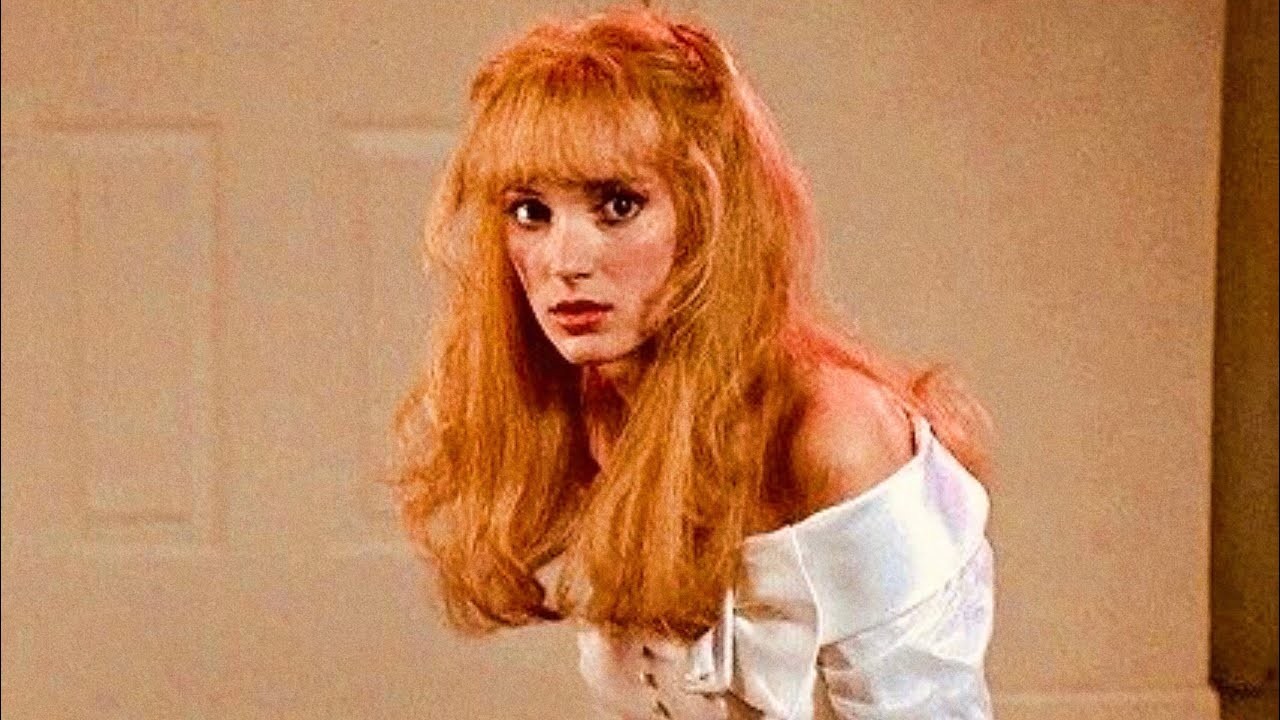
On December 12, 2001, the unthinkable occurred inside the Saks Fifth Avenue department store in Beverly Hills. Security personnel detained Ryder after observing her placing $5,500 worth of designer garments—including Marc Jacobs sweaters and luxury hair accessories—into shopping bags with their security tags severed. The international press exploded into a frenzy of sensationalism.
In the tense aftermath of the September 11 attacks, American media turned Ryder's preliminary hearings and subsequent trial into an unprecedented television circus. Although defense testimony revealed that Ryder was suffering from the disorienting, hallucinatory side effects of heavy prescription painkillers (oxycodone) prescribed following a severe arm fracture, the courtroom offered no mercy. In December 2002, she was convicted of grand theft and vandalism, sentenced to three years of probation, 480 hours of community service, and mandatory counseling.
💰 Financial Metrics: Peak 90s Salary, Opportunity Loss & Netflix Royalty Vault
3. The 15-Year Hollywood Blacklist: Exile and Self-Preservation
The punitive response from the Hollywood establishment was swift and brutally disproportionate. While male contemporaries routinely weathered DUI arrests, domestic violence allegations, and drug busts with swift rehabilitation arcs and multimillion-dollar studio comebacks, Ryder found herself completely frozen out of major studio consideration. Completion bond companies refused to insure her for lead roles, and executive boardrooms erased her from casting shortlists.
Rather than groveling for tabloid redemption or engaging in tawdry television tell-alls, Ryder exhibited profound dignity. She retreated north to San Francisco, diligently fulfilled every hour of her 480-hour community service mandate working with blind and autistic children, and eliminated all pharmaceutical dependencies. For over a decade, she tended her garden, read voraciously, and allowed the superficial demands of celebrity to fall away.
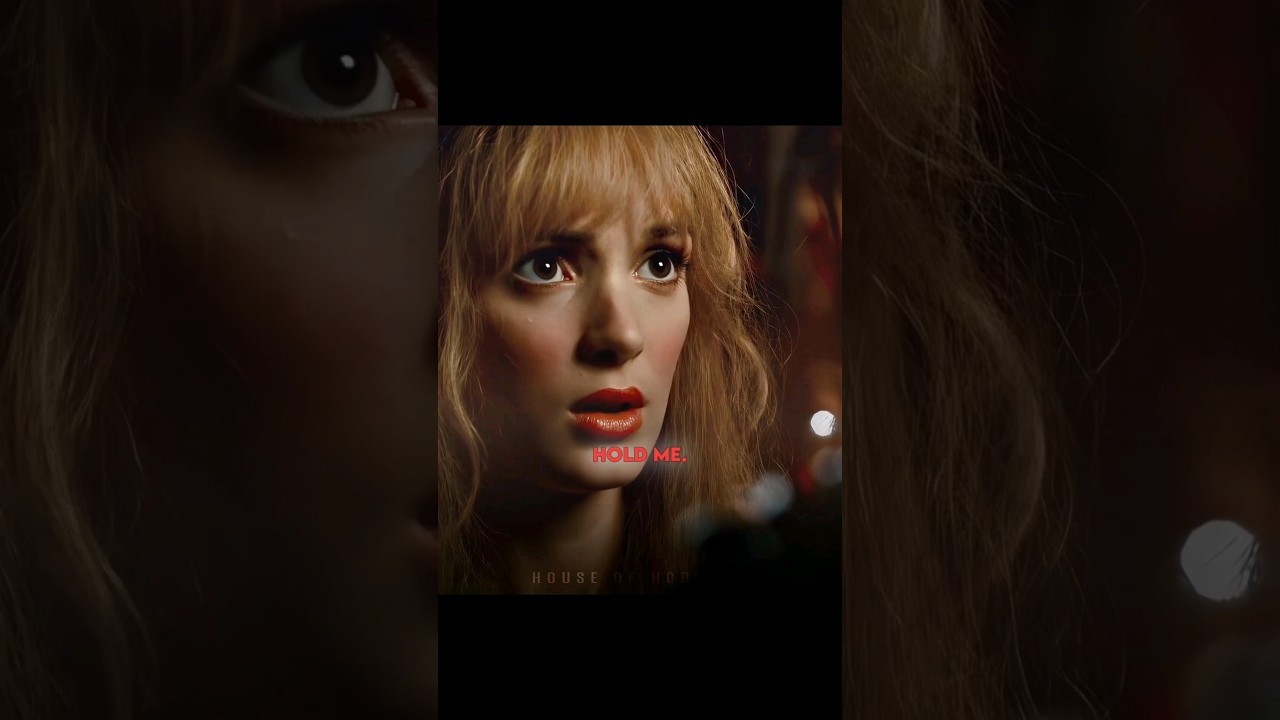
Conservative industry estimates suggest that her fifteen-year studio exile cost her over $45 million in lost peak-earning opportunities. Yet she refused to abandon acting altogether, quietly delivering exquisite supporting turns in indie features and memorable cameos—most notably as the aging prima ballerina Beth MacIntyre in Darren Aronofsky's Black Swan (2010) and as Spock’s mother Amanda Grayson in J.J. Abrams' Star Trek (2009). The foundation for her monumental resurrection was quietly being laid.

4. Stranger Things and Joyce Byers: The Greatest Triumphant Return in Modern TV
In 2016, an ambitious new sci-fi project from the Duffer Brothers landed on Netflix: Stranger Things. The creators understood that to summon the genuine spirit of 1980s suburban wonder and terror, they needed an authentic cultural titan. They cast Winona Ryder as Joyce Byers, a working-class single mother pushed to the brink of madness when her youngest son vanishes into a terrifying alternate dimension.
Ryder’s ferocious, raw, and unvarnished performance shattered the screen. Stringing Christmas lights across her living room wall and gripping an axe while sobbing into static telephone wires, she conveyed a maternal desperation that felt utterly visceral and electrifying. The worldwide audience was transfixed: Winona wasn't simply back; she was operating at the absolute peak of her powers.
Stranger Things shattered viewing records to become Netflix's crown-jewel global franchise, earning Ryder a Golden Globe nomination and multiple SAG Award honors. Her salary skyrocketed to $350,000 per episode for later seasons. In a poetic full circle, Marc Jacobs hired her in 2022 to headline his major global handbag campaign—transforming the department store scandal of two decades prior into an emblem of triumphant, untouchable survival. Winona Ryder stands today as living proof that true artistic soul can outlast any media storm.

🎬 Next 3 Essential Films & Real-Time Streaming Guide
Curated signature filmography to watch next, paired with verified streaming availability.
Edward Scissorhands
Kim BoggsThe defining fairy tale of the 1990s—Ryder dancing beneath the ice shavings remains one of cinema's most sublime aesthetic moments.
Stranger Things
Joyce ByersThe greatest television comeback in modern history—Ryder anchors Netflix's biggest global franchise with electrifying maternal ferocity.
Beetlejuice
Lydia DeetzThe birth of a goth icon—Ryder's spellbinding portrayal of Lydia Deetz launched her into the cultural stratosphere.