Keanu Reeves: The Tragic Losses, $70M Secret Giving, and the Resurrected Legacy of The Matrix and John Wick
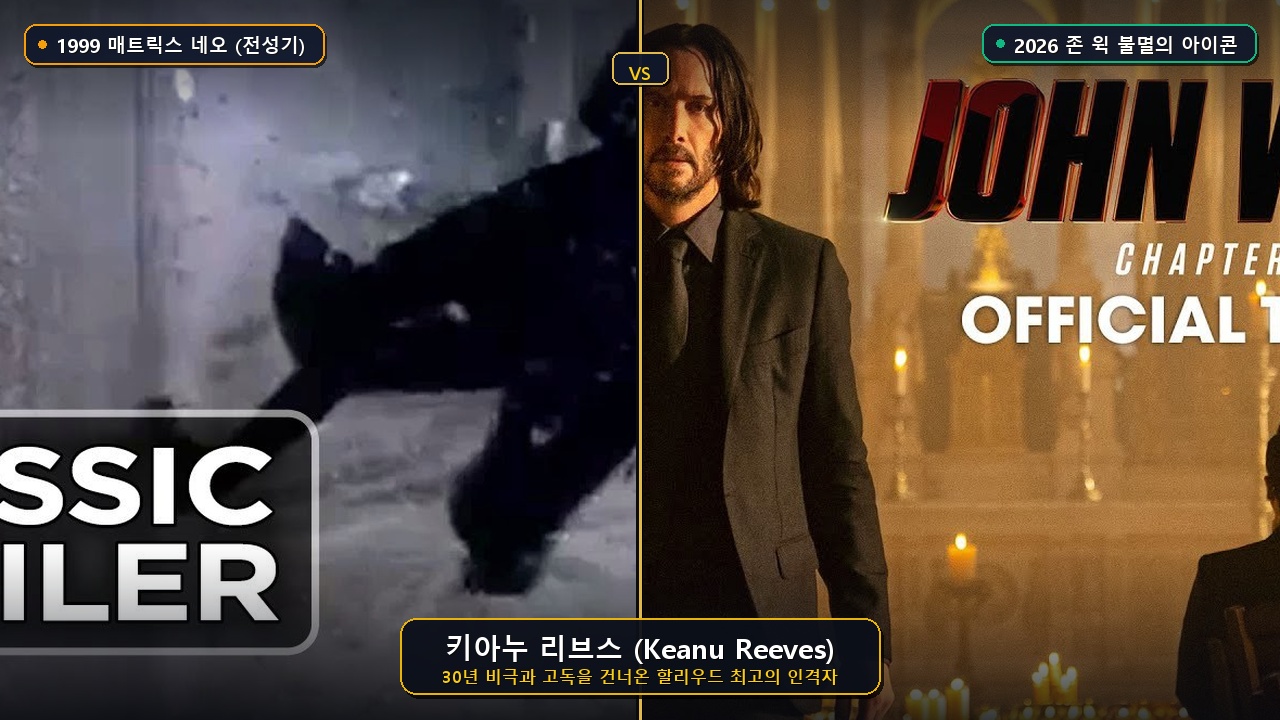
In 1999, when Keanu Reeves leaned backward in a flowing trench coat to dodge supersonic bullets on a rain-slicked rooftop, cinema changed forever. The Wachowskis' The Matrix became a global cultural and philosophical phenomenon, grossing $467 million worldwide, collecting four Academy Awards, and placing Reeves atop Hollywood's highest-paid pantheon.

Prior to filming, Reeves subjected himself to six months of grueling martial arts training under legendary Hong Kong choreographer Yuen Woo-ping. Even after undergoing spinal surgery that required a two-level neck fusion, Reeves refused to abandon the production, training tirelessly in a rigid cervical neck brace to master wushu, kung fu, and wire-stunt aerial acrobatics. His monastic work ethic established an unprecedented standard of physical authenticity that stunned veteran stunt performers.
Yet beneath the blinding flash of international premieres lay a biographical reality of Greek-tragedy proportions. Unlike many contemporary superstars who insulated themselves with private jets and self-aggrandizing PR machinery, Reeves navigated decades of shattering personal grief, lived quietly out of modest hotels, and funneled tens of millions of dollars into anonymous medical philanthropy.
1. The Decades of Grief: 1993 to 2001
Keanu's turbulent journey began long before stardom, marked by an absent father incarcerated for narcotics trafficking. His chosen family materialized on the set of Gus Van Sant’s 1991 masterpiece My Own Private Idaho, where he bonded profoundly with River Phoenix. When Phoenix collapsed outside the Viper Room on Halloween night in 1993, dying at age 23 from drug toxicity, Reeves lost his closest creative confidant.
Six years later, amidst the triumphant release of The Matrix in 1999, personal devastation struck anew. His partner, Jennifer Syme, gave birth to their stillborn daughter, Ava Archer Syme-Reeves, at eight months. The grief shattered the couple's relationship. Less than eighteen months later, in April 2001, Syme died instantly in a catastrophic vehicular rollover on Cahuenga Boulevard. Reeves served as a pallbearer, burying both his child and former partner side by side in Westwood Village Memorial Park.
2. The $70M Philanthropic Audit: Dissecting the Matrix Royalties
In the mid-2000s, paparazzi photographs of Reeves eating a sandwich alone on a park bench birthed the viral 'Sad Keanu' internet meme. Gossip blogs speculated about bankruptcy or psychological withdrawal. The documented financial truth, however, proved diametrically opposed.
💰 The Verified Matrix Backend Royalty Allocation
Motivated by his sister Kim's decade-long battle with leukemia, Reeves established a private charitable trust. Crucially, he refused to allow his celebrity name to be attached to the foundation. Furthermore, acknowledging that the groundbreaking visual effects and fight choreography were the true authors of the film's success, Reeves redistributed portions of his contract royalties to the sound and visual effects departments.
3. The $1 Billion John Wick Renaissance
When stunt coordinator Chad Stahelski presented Reeves with Derek Kolstad's modest script about an aging widower seeking retribution for his murdered puppy, major studios doubted its commercial viability. Reeves dedicated himself to five months of grueling eight-hour daily sessions in judo, jiu-jitsu, and tactical weapon manipulation.
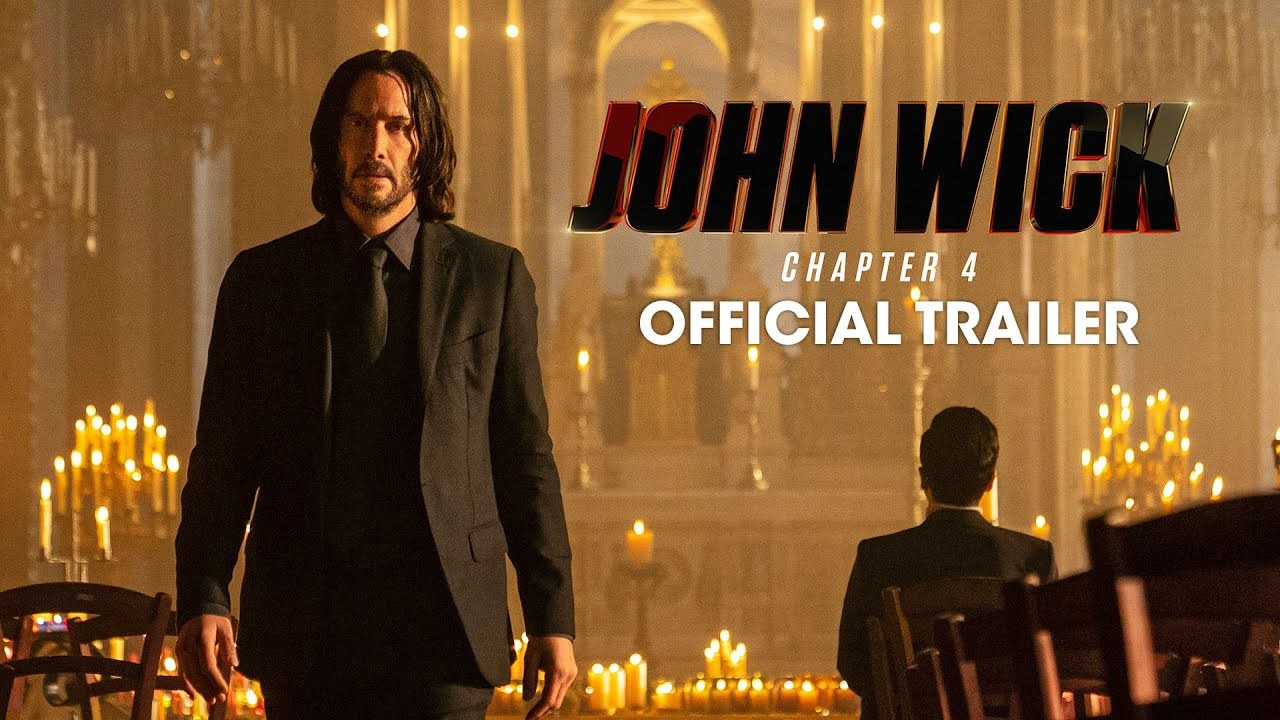
Released in 2014, John Wick revitalized the action genre, culminating in 2023's critically acclaimed Chapter 4 and crossing the $1 billion worldwide box office threshold. Upon wrapping the final scene in Paris, Reeves presented each member of his four-man stunt team with personalized Rolex Submariner watches engraved with heartfelt messages of brotherhood.
Outside the cinematic arena, Reeves co-founded Arch Motorcycle Company with custom builder Gard Hollinger, channeling his lifelong passion for bespoke engineering into handcrafted American performance machinery. Rather than licensing his name for easy branding checks, Reeves spends weekends testing chassis dynamics, fabricating metal components, and discussing mechanical ergonomics. Fans frequently spot him riding unaccompanied through Southern California canyon roads, eating outside roadside diners, or assisting stranded motorists with flat tires—unassuming proof that global superstardom never compromised his fundamental decency.
4. "The Ones Who Love Us Will Miss Us"
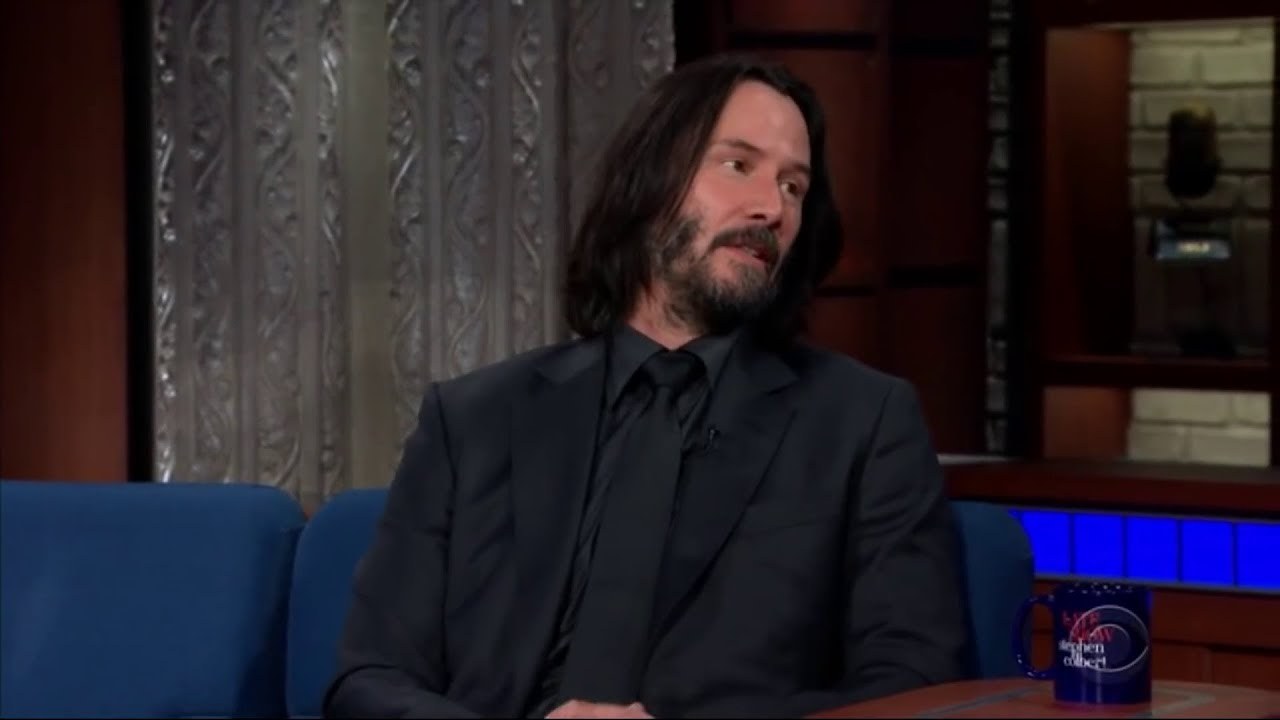
In May 2019, Stephen Colbert posed an unexpected existential question on CBS's The Late Show: "Keanu, what do you think happens when we die?"
Reeves exhaled softly, looked directly into the camera lens, and delivered a response that reverberated across millions of households:
🎬 Next 3 Essential Films & Real-Time Streaming Guide
Curated signature filmography to watch next, paired with verified streaming availability.
The Matrix
Neo / Thomas AndersonThe monumental pinnacle of Keanu's career—redefining cinematic action and dystopian philosophy at the turn of the millennium.
John Wick
John WickKeanu's glorious fifty-something resurrection—pioneering the modern 'gun-fu' genre through relentless dedication and physical craft.
Speed
Officer Jack TravenHigh-octane 90s action perfection—solidified Keanu as an elite leading man opposite Sandra Bullock aboard a bomb-rigged transit bus.
Keanu Reeves remains cinema’s rarest paradox: a man of immense wealth who chooses public transit, an icon of devastating loss who radiates universal gentleness, and an actor who proved that authentic humility is the greatest superpower in Hollywood.