Haley Joel Osment: Beyond 'I See Dead People' — Redefining Artistry After Child Superstardom

1. The 1999 Phenomenon: How an 11-Year-Old Rewrote Hollywood History
In the autumn of 1999, movie theaters fell into a breathless hush as the camera pushed into the pale, trembling face of a child shivering beneath heavy blankets. "I see dead people." That four-word revelation, delivered with a haunting mixture of terror and quiet resignation, transformed M. Night Shyamalan’s psychological masterpiece The Sixth Sense into a global cultural phenomenon, pulling in $672.8 million at the worldwide box office. The boy carrying that monumental emotional weight was eleven-year-old Haley Joel Osment.
Osment’s performance shattered every Hollywood trope of the decorative child actor. Working alongside action superstar Bruce Willis, Osment did not merely react; he anchored the film's entire existential gravity. His microscopic facial tremors, the suffocating isolation in his voice, and his desperate yearning for maternal acceptance earned him an Academy Award nomination for Best Supporting Actor—making him the eighth-youngest nominee in Oscar history.
Steven Spielberg immediately recognized an extraordinary dramatic instrument. Taking over the long-gestating project conceived by Stanley Kubrick, Spielberg cast Osment as David in A.I. Artificial Intelligence (2001) without auditioning a single other child. Osment’s portrayal of a sentient mecha boy desperately seeking the Blue Fairy to become human was hailed by critics as a masterclass in subtlety, sealing his place at the absolute summit of turn-of-the-millennium cinema.

2. The Merciless Tabloid Crucible: Body Shaming and the 2006 Collision
Yet American celebrity culture has always harbored an insidious appetite for destroying the prodigies it once adored. As Osment entered his mid-teens, natural biological maturity reshaped his youthful porcelain features. His facial structure broadened, his voice dropped, and his body grew into that of an adult man. Hollywood’s superficial machinery responded with unbridled malice.
Tabloids and late-night talk shows subjected Osment to relentless body-shaming, splashing cruel side-by-side photographs under mocking headlines like "The Unrecognizable Sixth Sense Boy." The suffocating pressure culminated in a terrifying incident in July 2006: an 18-year-old Osment crashed his vehicle into a brick mailbox pillar on an unlit road in suburban Los Angeles. The car flipped, leaving him with a fractured collarbone and rib injuries. Charged with driving under the influence, he was sentenced to three years of probation and mandatory rehabilitation.
Pundits rushed to file their customary obituaries, predicting that Osment would become another cautionary statistic alongside Hollywood's broken child stars. But unlike so many peers who surrendered to bitter resentment, Osment made a radical, self-preserving calculation: he completely detached himself from the toxic orbit of Los Angeles.

💰 Financial Blueprint: Child Earnings, Coogan Shielding & Long-Term Royalty Equity
3. Trading Celebrity for Craft: The Four-Year Sanctuary at NYU Tisch
In 2007, Osment enrolled at New York University’s prestigious Tisch School of the Arts, pursuing a Bachelor of Fine Arts in Drama with a focus on experimental theater. While fellow young stars chased nightclub paparazzi and low-grade reality television, Osment immersed himself in the grueling disciplines of vocal projection, physical theater, and textual analysis of Shakespeare, Chekhov, and Beckett in dusty Greenwich Village rehearsal halls.
He carried lighting equipment, painted stage flats, and accepted the anonymity of student ensemble work. By stepping away from the Hollywood casting hamster wheel for four full years, he allowed his adult physical identity to solidify without the constant distortion of commercial expectations. When he graduated in 2011, he emerged not as an ex-child star desperate for nostalgia bait, but as a rigorously trained, versatile classical actor.
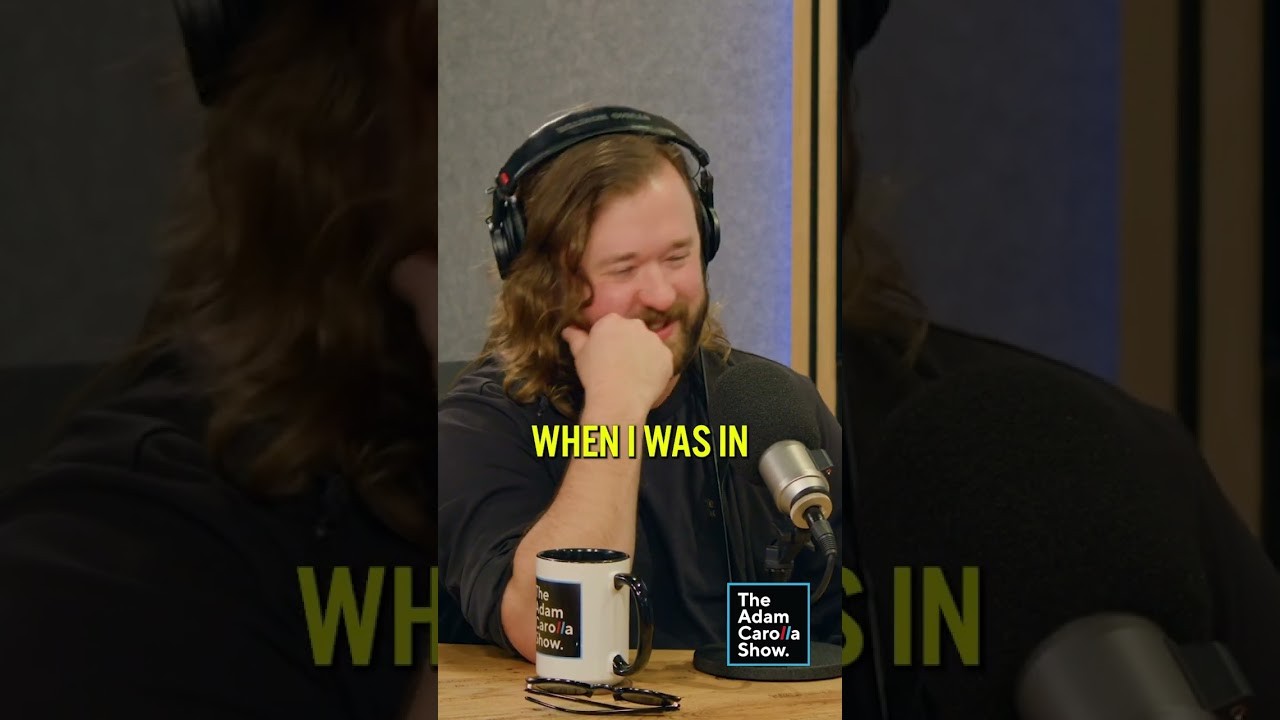
"Going to college in New York was the armor I needed," Osment reflected years later. "It gave me the permission to fail away from the public gaze, to figure out who I was when the camera stopped rolling, and to remember that acting is a lifelong discipline, not a sprint for fame."
4. The 20-Year Kingdom Hearts Legacy and the Triumphant Character Renaissance
While his physical presence evolved, Osment’s vocal artistry had already established an immortal legacy in interactive media. Beginning in 2002, he provided the voice of Sora, the keyblade-wielding protagonist of Disney and Square Enix’s globally celebrated video game saga Kingdom Hearts. Across two decades, millions of gamers worldwide grew up listening to Osment's nuanced vocal maturation, turning Sora into one of the most recognizable and emotionally resonant heroes in gaming history.
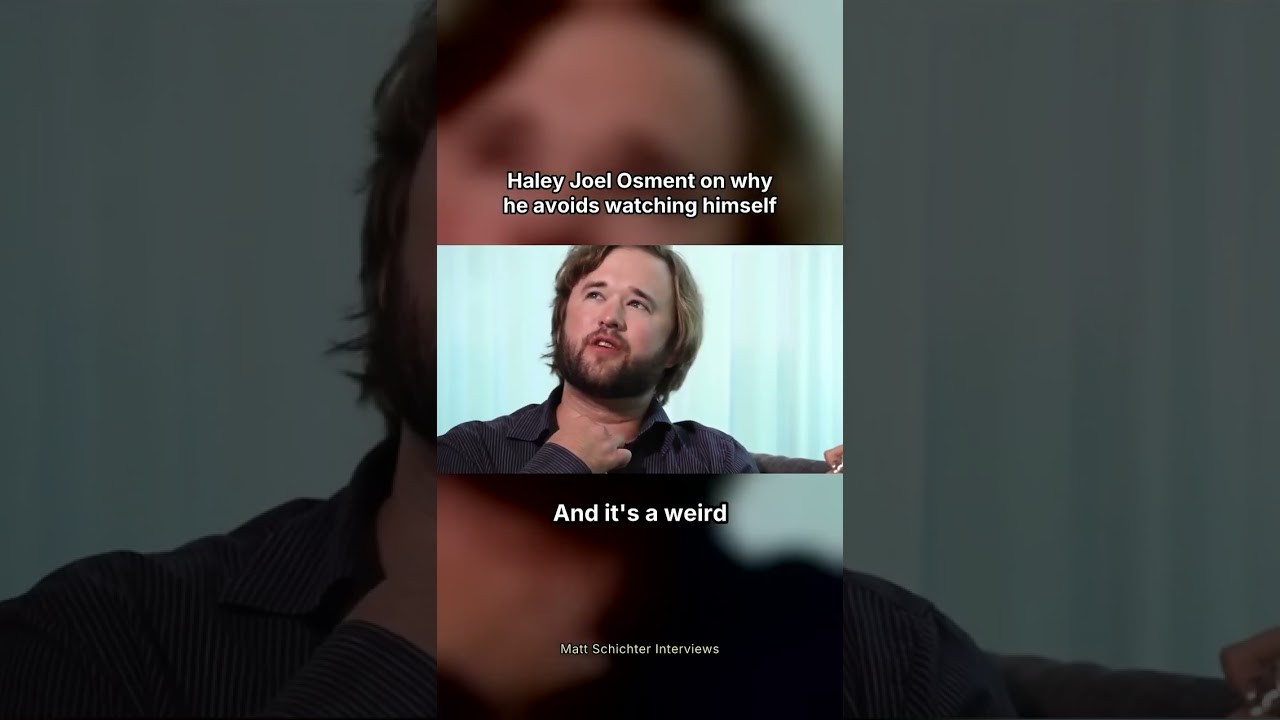
On screen, Osment’s post-graduate renaissance arrived with breathtaking audacity. In Amazon Prime Video's smash-hit satirical superhero series The Boys, he delivered a tour-de-force guest performance as Mesmer—a washed-up former child telepath struggling to monetize his fading relevance in convention centers. It was a searing, meta-textual portrayal that only an actor of immense emotional bravery and self-awareness could execute.
From his brilliant guest turns in FX’s What We Do in the Shadows and HBO’s Silicon Valley to his role in Zoë Kravitz’s acclaimed psychological thriller Blink Twice (2024), Haley Joel Osment has accomplished what fewer than 1% of child stars ever achieve: he killed the ghost of his childhood fame and resurrected himself as one of Hollywood's most fearless, dependable, and respected adult character actors.
🎬 Next 3 Essential Films & Real-Time Streaming Guide
Curated signature filmography to watch next, paired with verified streaming availability.
The Sixth Sense
Cole Sear"I see dead people." The immortal performance that made 11-year-old Osment the eighth-youngest Oscar nominee in cinema history.
A.I. Artificial Intelligence
DavidHand-picked by Steven Spielberg without an audition—Osment delivers an astonishing, emotionally devastating turn as a love-seeking android.
The Boys
MesmerPost-NYU triumph: Osment stars as Mesmer, fearlessly deconstructing the child-star myth in Amazon's acclaimed satirical superhero drama.