Brendan Fraser: The Truth Behind His Hollywood Blacklisting, Painful Hiatus, and Historic Oscar Comeback

In the late 1990s, Brendan Fraser possessed the rarest alchemy in contemporary cinema: the rugged physicality of a swashbuckling matinee hero fused with an endearing, puppy-dog earnestness. As Rick O’Connell in Stephen Sommers' 1999 adventure blockbuster The Mummy, Fraser commanded the global box office, grossing over $416 million and establishing himself as Hollywood’s undisputed golden boy.
Yet, by the early 2010s, Fraser had seemingly vanished from mainstream American cinema. Tabloids ran cruel, mocking paparazzi photos under headings questioning his changed appearance, while the film industry subtly turned its back. The reality behind his prolonged hiatus was not a sudden loss of talent—it was an agonizing confluence of sexual assault retaliation, catastrophic bodily trauma from stunt work, and private family heartbreak.
1. The 2003 Incident: The Silent Blacklisting
In a watershed 2018 interview with GQ journalist Zach Baron, Fraser broke a fifteen-year silence that had weighed like an anchor on his soul. He revealed that in the summer of 2003, at an official luncheon hosted at the Beverly Hills Hotel by the Hollywood Foreign Press Association (HFPA)—the organization behind the Golden Globe Awards—he was sexually assaulted by Philip Berk, a former president of the HFPA.
Fraser retreated into his home, humiliated and terrified of retaliation. Although his representatives demanded an apology, the HFPA largely closed ranks, providing only a dismissive non-apology letter while barring Berk from no significant duties. Following the incident, Fraser found himself systematically excluded from HFPA events, invitations ceased, and studio casting calls noticeably dried up. The silent blacklisting of Brendan Fraser had begun.
2. The Physical Toll: Seven Years in and out of Operating Rooms
Compounding the psychological toll was a body physically broken by his dedication to practical stunt work. Fraser performed virtually all of his own stunts throughout The Mummy trilogy and George of the Jungle. By the third Mummy installment in 2008, his body was held together by athletic tape, ice packs, and surgical braces.
Between 2008 and 2015, Fraser spent the better part of seven years in and out of hospitals undergoing invasive operations, including a partial knee replacement, a lumbar laminectomy (spinal surgery to relieve pressure), and multiple vocal cord repairs. His physical frame, once celebrated for its Olympian aesthetic, changed irrevocably.
3. The Brenaissance and The Whale
Director Darren Aronofsky had spent nearly a decade searching for an actor who could embody Charlie, the 600-pound reclusive English teacher in Samuel D. Hunter's play The Whale. Aronofsky needed someone with bottomless emotional vulnerability, profound warmth, and a haunting melancholy. When he watched Fraser in a modest Brazilian indie film, the director instantly knew.
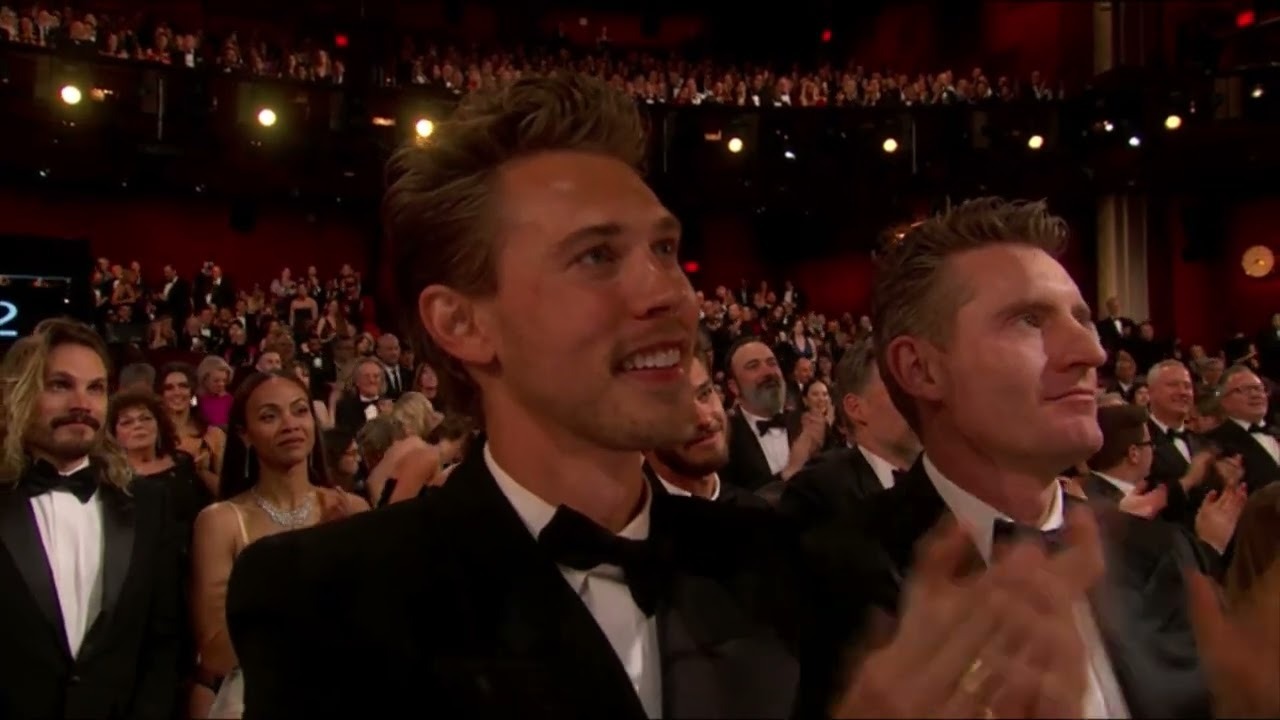
At the 2022 Venice International Film Festival, when the screening concluded, the auditorium erupted into a thunderous six-minute standing ovation. Video of Fraser weeping openly, overwhelmed by the spontaneous eruption of love from his peers, went viral globally, christening the cultural phenomenon known as 'The Brenaissance.'
Chronology of a Miracle: Brendan Fraser's Milestone Timeline
📺 Where to Stream Brendan Fraser's Essential Works:
• The Mummy (1999): Available on Peacock, Prime Video, Apple TV
• The Whale (2022): Available on Paramount+, Showtime, Apple TV
Brendan Fraser's triumph is not merely a cinematic victory; it is a profound testament to human endurance, forgiveness, and the timeless truth that an authentic soul cannot be extinguished by darkness.